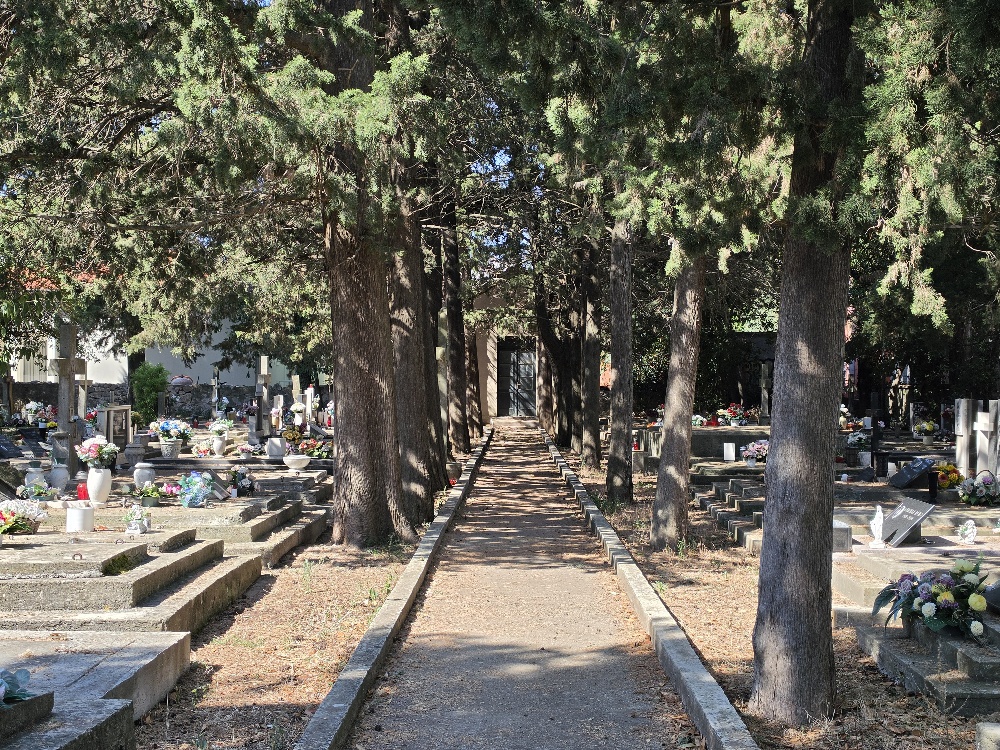
Tucked behind an old gated wall lies the local cemetery in Bibinje, one of Croatia’s best-kept secrets.
According to the 2011 census, the town is home to fewer than 4,000 people, most of whom are Croats. As cemeteries go, it’s a small one. And I wondered at that until I did some reading. And yes, there’s a newer one – Groblje Sasavac.
What struck me about the old cemetery was the remarkable lack of statues. It felt odd. I saw only one. And the occasional cross.
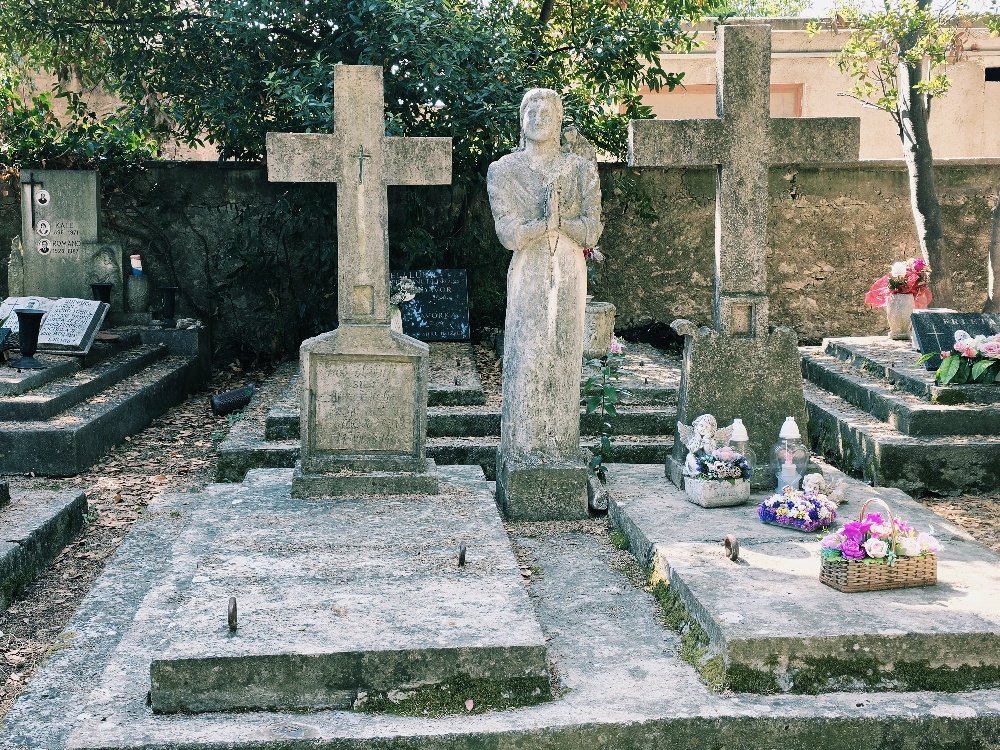
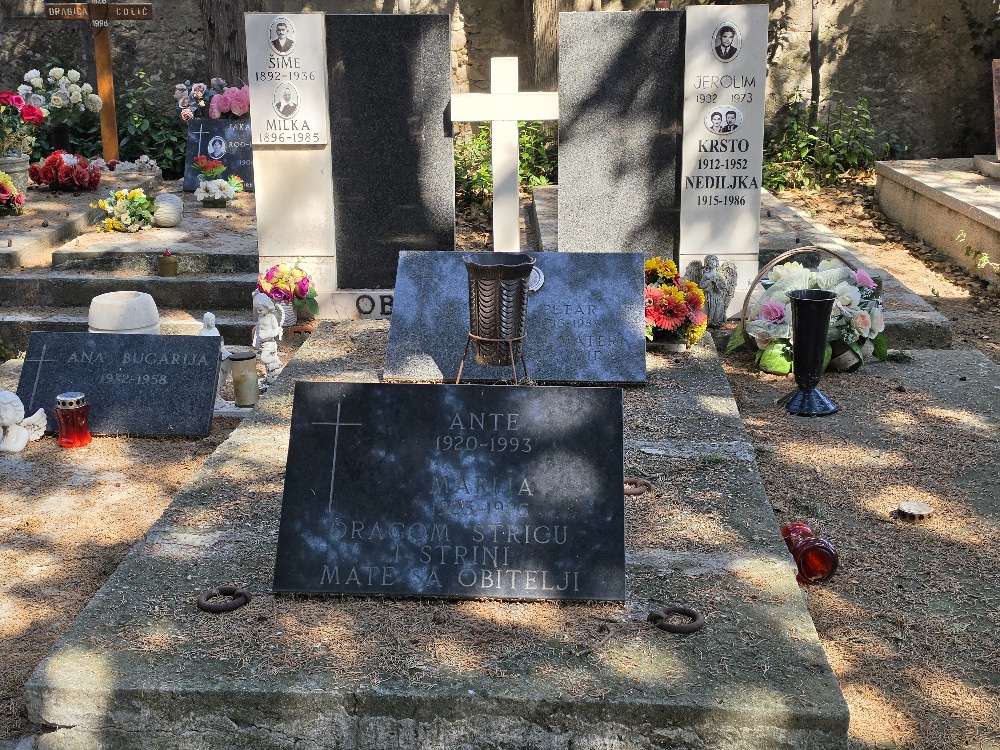
I was intrigued by the terraced tombs, also called stepped ledgers. These overlapping horizontal concrete slabs are called a stepped curb. The top slab is the ledger. Apparently this type of architecture is common in this part of the world.
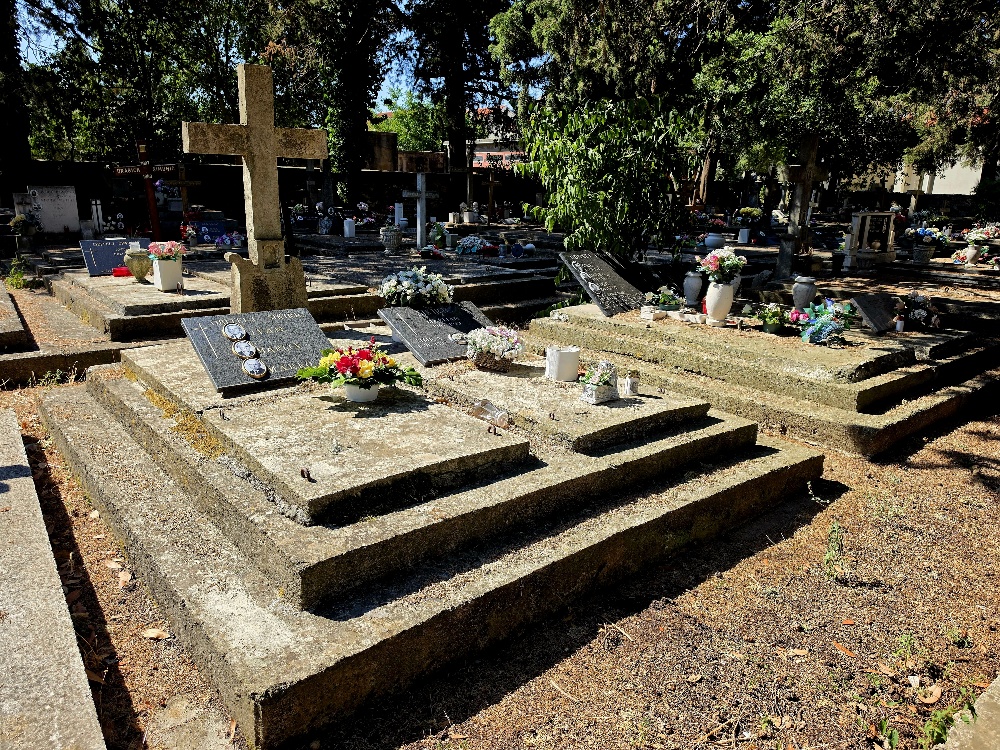
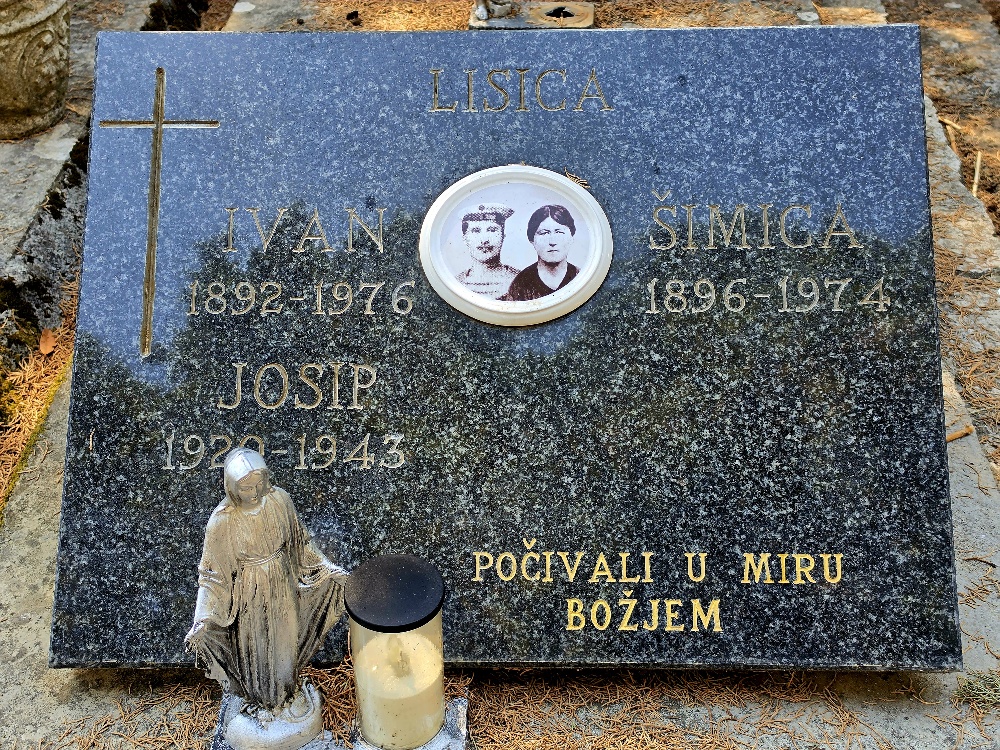
Most of the gravestones had photos. And not for the first time, I wondered if those in the images knew they were posing for their gravestone cameo. This tradition began in France and Italy (which was where I first saw it) during the mid-19th century, not long after photography was invented. I can’t say I’m a big fan, but there is something to know who is buried beneath.
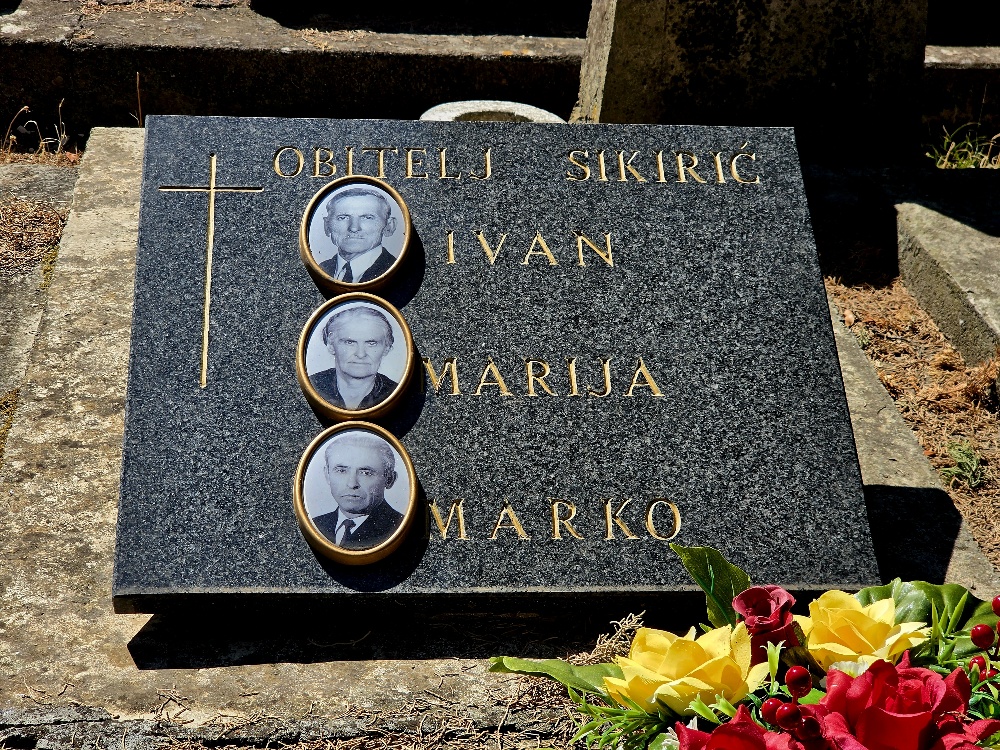
As always, the family graves are intriguing. Looking at the lineage is fascinating. I wonder if all the children are there or only those who stayed and didn’t emigrate.
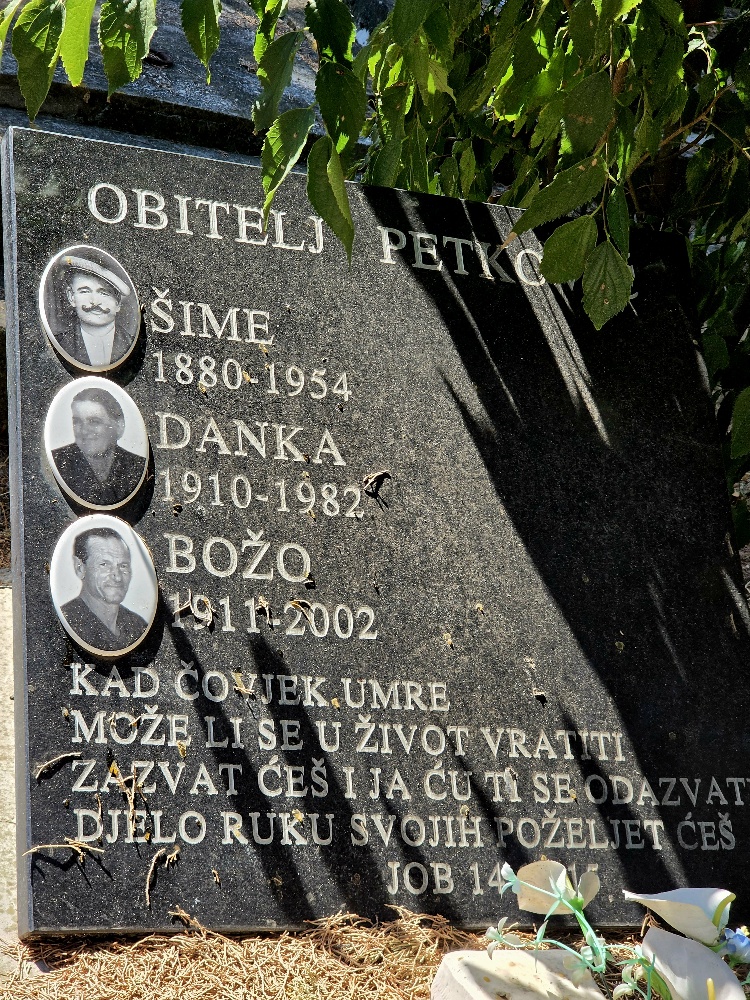
This verse from Job 14:14-15 is one I’ve not seen before on a grave – the $64 000 question.
If a man dies, shall he live again? You will call, and I will answer you; you will long for the creature your hands have made.
It’s a pleasant place to unwind and savour the peace that only comes with graveyards.